
There are other factors, such as loss of control of alcohol consumption and a preoccupation or hyper-fixation of the act of drinking, that contribute to cravings as well. Intermediate familial alcoholics make up around 18.8% of alcoholics, with genetics and family dynamics playing a significant role in their struggles. These individuals often have close family members—parents, grandparents, or siblings—who also struggle with alcohol dependence. Alcohol misuse may begin during adolescence, driven by genetic predispositions and dysfunctional family environments. Although binge drinking does not necessarily mean you have an alcohol use disorder, it can indicate a drinking problem. If you’re struggling to stop or control your alcohol intake, you may be an alcoholic or have a drinking problem.
Understanding Alcoholism and Its Effects on the Face
For instance, someone with a father who frequently drank might adopt similar patterns to cope with the stress of adulthood. Over time, this reliance on alcohol disrupts personal and professional stability, pushing them to seek treatment when life becomes unmanageable. Recovery for intermediate familial alcoholics often requires family counseling alongside traditional treatment programs to address the systemic influences that fuel their addiction. Early intervention improves recovery chances and prevents further harm. Professional support options include medical detox, behavioral therapy, support groups, and medication-assisted treatment.

Inpatient Programs

Spotting and diagnosing an alcohol use disorder is most effectively achieved by measuring alcohol’s harmful effects on a person’s life. About 6% of American adults (around 15 million people) have an alcohol abuse problem, yet just 7% of those receive treatment. There are many alcohol rehab and treatment centers in the country that can help if you or someone you care about is suffering from alcoholism. As drinking is so prevalent in Western society, the ramifications and dangers are not always immediately visible.
Getting Started
- It’s a chameleon, manifesting differently from person to person, making it somewhat challenging to recognize.
- Your drinking may cause problems in your relationships, at your job, or while you’re at school.
- Alcohol use disorder is diagnosed on the basis of criteria defined in the fifth edition of the Diagnostic and Statistical Manual of Mental Disorders (DSM-5).
- Yes, alcoholism significantly impacts mental health by disrupting brain chemistry, worsening mood disorders, and impairing cognitive function.
The signs of alcoholism become most apparent when alcohol consistently interferes with your ability to function normally in work, academic, financial, and legal situations. Relationship deterioration occurs as drinking behavior creates conflict with loved ones. Partners, children, and close friends often feel helpless or frustrated watching someone they care about prioritize alcohol over their relationship. Signs of an alcoholic include becoming defensive or hostile when questioned about drinking habits. You’ll observe individuals minimizing their alcohol consumption by lying about quantities consumed or frequency of drinking sessions. They often hide bottles around their home or workplace and become angry when others express concern about their drinking patterns.
Alcohol tolerance refers to a diminished effect of alcohol by repeated exposure. A person may notice their tolerance increasing when they consume the same amount of alcohol as usual but no longer experience the effects with the same level of intensity. The good news is that even though there are physiological changes that occur due to alcohol use disorder, treatment is possible even in severe cases. Dove Recovery is a comprehensive treatment facility in Columbus, Ohio, dedicated to the rehabilitation of alcohol use disorder patients.
Drinking Despite Consequences
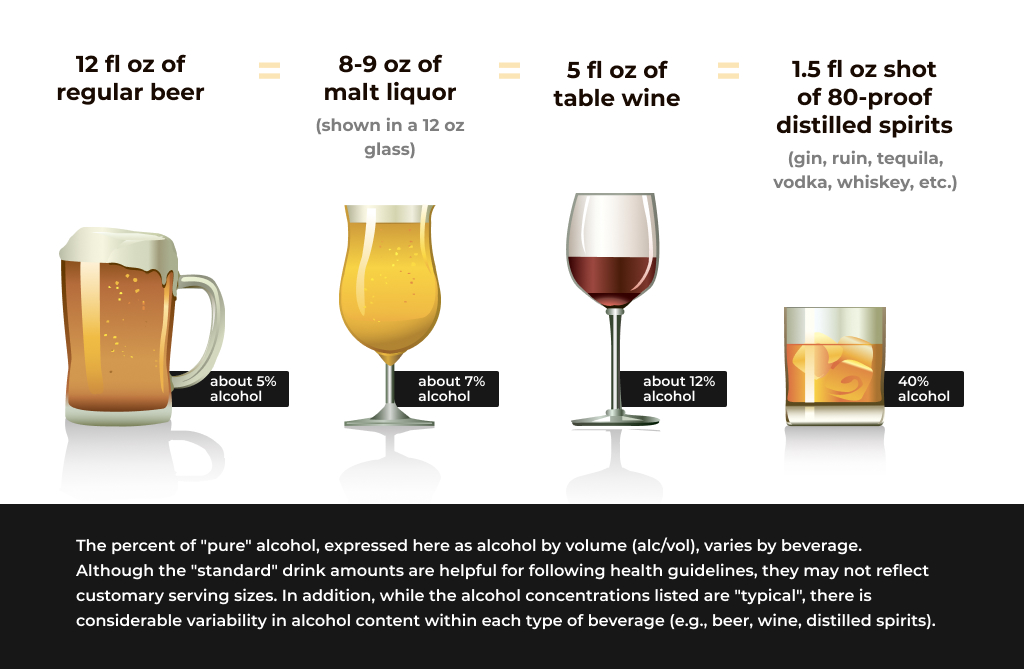
Alcohol poisoning happens when there’s too much alcohol in the bloodstream. The liver processes alcohol slowly – about one standard drink per hour. Calls to numbers marked with (I) symbols will be answered or returned by one of the treatment providers listed in our Terms and Conditions, each of which is a paid advertiser. Start your road to recovery in a comfortable, serene, and compassionate space. Bright Futures Treatment Center offers you the opportunity to make a fresh start. Wernicke-Korsakoff syndrome is a degenerative brain disorder that causes mental confusion, vision problems, lack of coordination, and memory problems, among other symptoms.
Call today to speak confidentially with a recovery expert or take our brief self-test.
- Television and Internet advertisements have been shown to influence brand preferences and increase teenagers’ desire to drink as adults.
- Signs of an alcoholic include becoming defensive or hostile when questioned about drinking habits.
- It is important to know the signs that develop during each stage to ensure your loved one seeks treatment for their addiction early on.
Almost every social function or celebration must involve alcohol for them. Family commitments may become irrelevant to them if they don’t include drinking. Wedding toasts, happy hours, and New Year’s Eve are common occasions to have fun with loved ones and a drink. However, many people blur the line between social drinking and being an alcoholic, using celebrations to mask an addiction. According to the National Institute on Alcohol Abuse and Alcoholism (NIAAA), in 2021, 29.5 million people over 12 had Alcohol Use Disorder. Knowing the signs and symptoms of alcohol use disorder is a crucial part how to recognize signs and symptoms of alcoholism and alcohol abuse of the treatment process.
Emotional dependency reveals itself when you use alcohol as your primary coping mechanism for stress, anxiety, or difficult emotions. Without alcohol, you feel unable to handle normal life challenges or social interactions. Physical symptoms become apparent through slurred speech, coordination problems, nausea, vomiting, and in severe cases, jaundice. These visible signs often alert others to your drinking problem before you recognize it yourself. Frequent intoxication and blackouts create memory gaps during drinking episodes.
Having supportive family and friends also improves recovery outcomes and reduces relapse risks. The Familial DependentGrew up around heavy alcohol use and developed unhealthy patterns early in life. Withdrawal symptoms appear when the body’s Alcoholics Anonymous need for alcohol isn’t met. This usually happens when an alcoholic decides to suddenly stop drinking or has not consumed alcohol for a long period of time.
Check out our complete guide to finding an addiction treatment program for an easy-to-use breakdown of programs, costs, and how to choose the right fit for your needs. At Hazelden Betty Ford, we offer clarity and compassion for anyone navigating these questions. Whether you’re seeking help for yourself or someone you care about, we’re here to guide you with expertise and heart. Adolescents face a lot of peer pressure and desire acceptance at this stage of their life.