

However, poor liability management can lead to cash flow problems and financial instability. See some examples of the types of liabilities categorized as current or long-term liabilities below. When it comes to short-term liquidity measures, current liabilities get used as key components. Here are a few metrics and key ratios that potential investors and management teams look at to perform a financial analysis. Your business balance sheet gives you a snapshot Accounting Periods and Methods of your company’s finances and shows your assets, liabilities, and equity. Mortgage payable is the liability of a property owner to pay a loan.
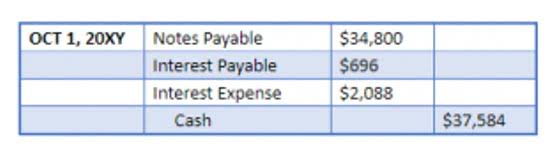
Apply the accounting equation
AP can include services, raw materials, office supplies, or any other categories of products and services where no promissory note is issued. Most companies don’t pay for goods and services as they’re acquired, AP is equivalent to a stack of bills waiting to be paid. Liability generally refers to the state of being responsible for something. The term can refer to any money or service owed to another party.
Current vs. Long-Term Liabilities Explained

At Express Legal Funding, we provide risk-free pre-settlement funding to plaintiffs waiting for their case to resolve. In contrast, contributory negligence, used in some jurisdictions, can prevent a plaintiff from recovering any compensation if they are even slightly at fault. The degree and method of sharing liability depend on the state’s laws and the specifics of the case. Under comparative negligence, each party’s responsibility Opening Entry is assessed based on their percentage of fault, and they are liable for that portion of the total damages. Civil cases require proof by a preponderance of the evidence, whereas criminal cases require proof beyond a reasonable doubt. Liabilities influence your liquidity, solvency, and overall financial strategy.
Debt ratio

It represents an obligation to provide the products or services in the future. Accrued Expenses are liabilities that arise when a company incurs expenses but hasn’t yet made the corresponding liabilities in accounting payment. These expenses include items like salaries, taxes, utilities, and interest. Financial liabilities are classified based on amortization of that particular liability by taking into account the fair value of the liability on profit or loss terms. A financial liability may also be classified based on the nature of that financial product.
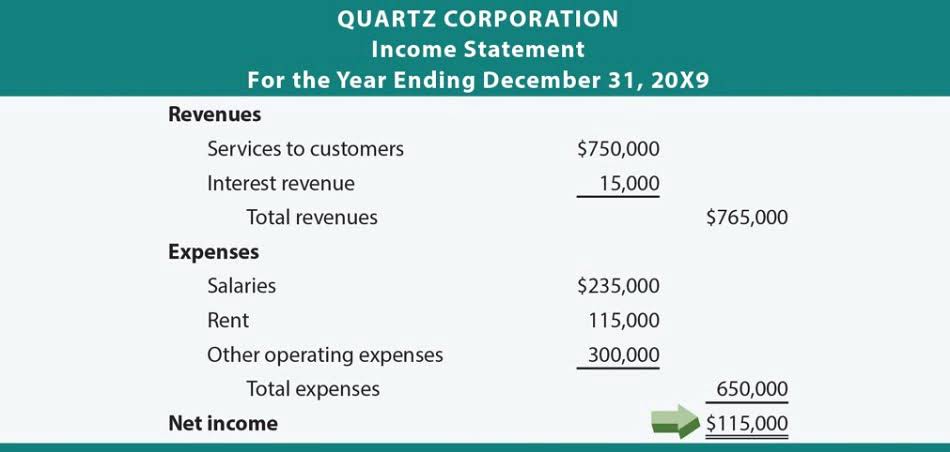
Main Types of Liabilities in Accounting
- A low ratio means better financial health and a higher chance of getting loans approved.
- They are usually grouped into short-term and long-term based on when they are due.
- The operating cycle refers to the period of time it takes for the business to turn its inventory into sales revenue and then back into cash, which helps cover these expenses.
- The portion due within a year is considered a current liability, while the rest is a long-term liability.
- Outside of current and non-current liabilities are contingent liabilities.
- Liabilities can be any type of legal obligation or debt owed to another person or company.
And this can be to other businesses, vendors, employees, organizations or government agencies. Liabilities are common when conducting normal business operations. Liabilities are current debts your business owes to other businesses, organizations, employees, vendors, or government agencies. You typically incur liabilities through regular business operations. Liabilities are best described as debts that don’t directly generate revenue, though they share a close relationship.
Expenses are related to revenue, unlike assets and liabilities. Any liability that’s not near-term falls under non-current liabilities that are expected to be paid in 12 months or more. Long-term debt is also known as bonds payable and it’s usually the largest liability and at the top of the list. Liabilities are categorized as current or non-current depending on their temporality.